Skip to product information
1 of 1

Hairy Dogs Natural Treats

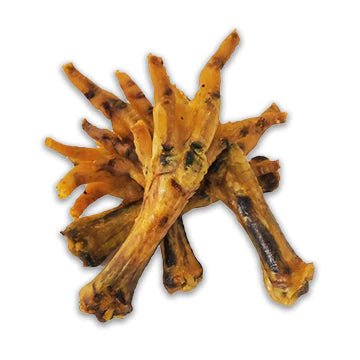
Hairy Dogs Chicken Feet – Air Dried Natural Dental Chew

Hairy Dogs Chicken Feet – Air Dried Natural Dental Chew

Regular price £9.99 GBP
Regular price Sale price £9.99 GBP
Sale Sold out
Taxes included.
Pack Size

Chicken feet are one of the most nutritionally dense natural dog chews available — the cartilage provides glucosamine and chondroitin for joint support, the skin provides collagen for coat and skin health, and the dried crunchy texture works against plaque and tartar as your dog chews. Hairy Dogs chicken feet are 100% UK-sourced chicken, air dried with no additives or preservatives, suitable from 12 weeks. Available as singles, a 15-pack, or in bags from 250g to 1kg.

  • Natural glucosamine and chondroitin: The cartilage in chicken feet is a natural source of glucosamine and chondroitin — compounds that support the maintenance of healthy joint cartilage. Particularly relevant for older dogs or those with joint health concerns as a food-first complement to their routine.
  • Collagen-rich skin: Chicken feet skin is naturally high in collagen, a structural protein that supports skin elasticity and coat condition. This is food-based collagen rather than a synthetic supplement.
  • Natural dental benefit: The crunchy, fibrous structure of dried chicken feet creates an abrasive chewing action that helps reduce plaque and tartar build-up on the teeth. A practical everyday complement to brushing.
  • 100% UK-sourced chicken — single ingredient: Nothing added, nothing removed. No artificial additives, preservatives, colourings, or grain. Suitable for dogs on grain-free diets.
  • Air dried to preserve nutrients: Air drying at low temperatures preserves the natural nutritional profile — including the glucosamine, chondroitin, and collagen — without the need for chemical preservatives.
  • High protein, grain and gluten free: 39.6% protein, no cereal or grain content. Suitable for dogs with grain sensitivities.

Nutritional analysis (per 100g)

Component Value
Protein 39.6%
Fat 41.9%
Fibre 1.0%
Ash 10.6%
Moisture 5.7%

Ingredients: 100% Chicken Feet

Which size?

The single (30p) is a good starting point if your dog hasn't had chicken feet before. The 15 pack (£3.00) is the most practical trial size for regular feeding. The 500g bag (~47 feet, £9.99) is the most popular everyday size; the 1kg (~94 feet, £14.99) is best value for households that use them regularly. The 250g bag is temporarily out of stock — the 500g is available.

Feeding guide

Feed as a treat or reward alongside a complete, balanced diet. Always supervise during chewing and ensure fresh water is available. Suitable from 12 weeks.

Note the fat content: at 41.9%, chicken feet are significantly fattier than leaner treats such as sprats or jerky sticks. For dogs on weight-management programmes, active calorie monitoring, or with conditions where fat intake needs to be controlled, factor this into your dog's daily caloric budget or choose a leaner treat option.

Storage

Store in a cool, dry place away from direct sunlight. Keep sealed between uses.

A complementary food for dogs — feed under supervision and always allow access to fresh water.

Common questions

What is glucosamine and how does it help dogs?
Glucosamine is a compound naturally found in joint cartilage. It is involved in maintaining the structure and cushioning of joint surfaces, and is commonly used in joint supplements for dogs and humans. In chicken feet, it occurs naturally in the cartilage tissue alongside chondroitin — both compounds working together to support joint health. Incorporating chicken feet regularly is a food-first way of adding these compounds to your dog's diet without a separate supplement.
How do chicken feet help with dental health?
The dried, crunchy structure of a chicken foot requires sustained chewing, and the fibrous texture has an abrasive action against the tooth surface as your dog works through it. This helps scrape away soft plaque before it mineralises into tartar. Chicken feet are not a substitute for brushing — no chew is — but they are a practical and enjoyable daily complement to dental hygiene, particularly for dogs that resist toothbrushing.
The fat content is 41.9% — is that a concern?
Chicken feet are naturally high in fat — the skin and soft tissue around the bone contains significant fat. This is normal for this type of treat and is one of the reasons dogs find them palatable. For a healthy adult dog of normal weight, one or two feet per day as a treat is generally fine. For dogs that are overweight, prone to pancreatitis, or on a controlled-calorie diet, factor the fat content into their daily intake or choose a leaner treat option. If in doubt, check with your vet.
Are these suitable for puppies?
Suitable from 12 weeks. The dried crunchy structure is firmer than soft treats but will break down with chewing rather than splintering sharply. Always supervise puppies with any chew and ensure the size is appropriate for your puppy's current stage of development. The glucosamine and collagen content make chicken feet a particularly useful treat for growing dogs.
How many can I give per day?
For most medium and large breeds at a healthy weight, one to two feet per day as a treat is a reasonable amount. For small breeds, one foot is typically sufficient given their smaller daily caloric budget. Given the higher fat content, it is worth factoring chicken feet into your dog's overall daily caloric intake rather than giving them in addition to a full day of other treats.
Are they safe — is there a splintering risk?
Air dried chicken feet pose a lower splintering risk than raw cooked chicken bones, which are known to splinter dangerously. The dehydration process changes the bone structure so it breaks down progressively during chewing rather than fracturing into sharp shards. That said, always supervise your dog with any chew and remove it if they are attempting to gulp large pieces rather than chewing properly.
View full details